3D-Printed 2.5cm Cube: World's Smallest Film Camera
Australian photographer Luke Fazelas 3D-printed the 2.48cm Pocket Obscura pinhole film camera.
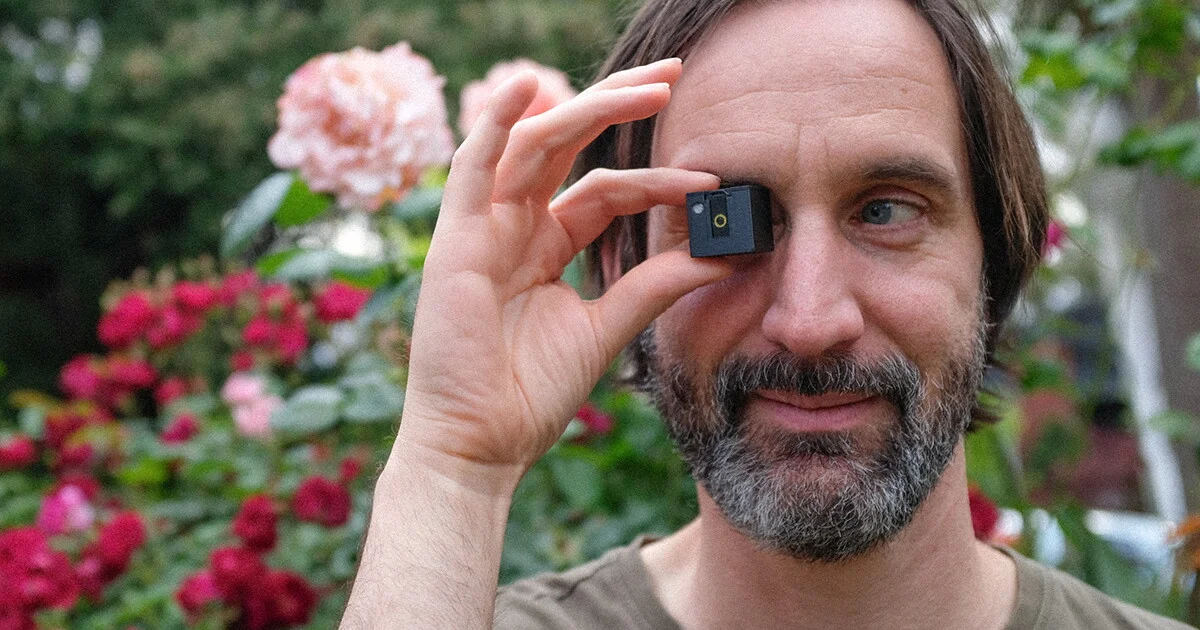
Lately, keychain-sized digital cameras have been popping up everywhere, offering low-quality photos with a retro-filter look. But one photographer has pushed miniaturization much further—he has used a 3D printer to make what is currently the world's smallest film camera.
Luke Fazelas, a photographer and visual arts teacher in Melbourne, Australia, spent a full year conceiving and testing this incredibly small analog camera. His inspiration came from the Kodak Brownie—a simple, inexpensive cardboard camera introduced in 1900.
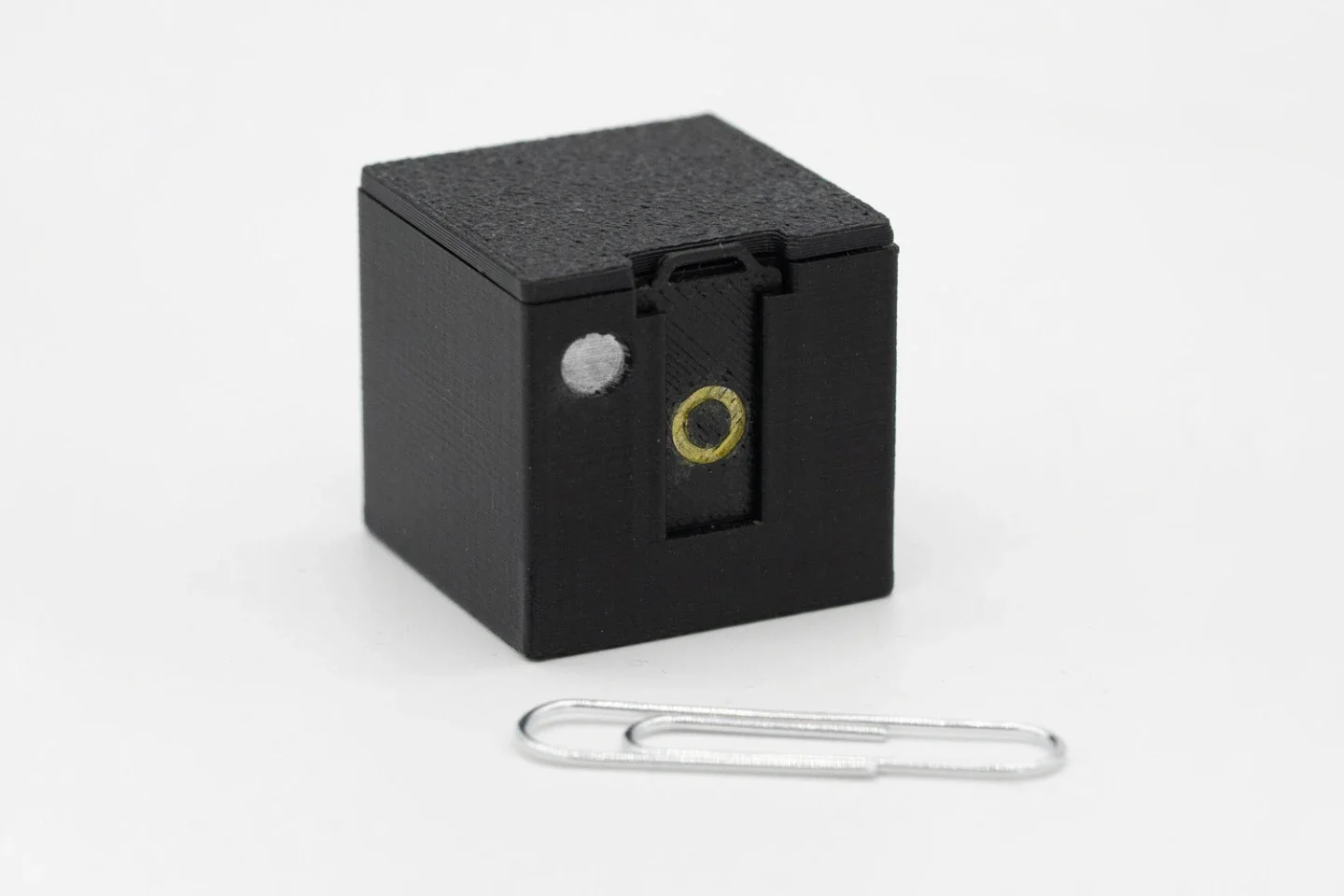
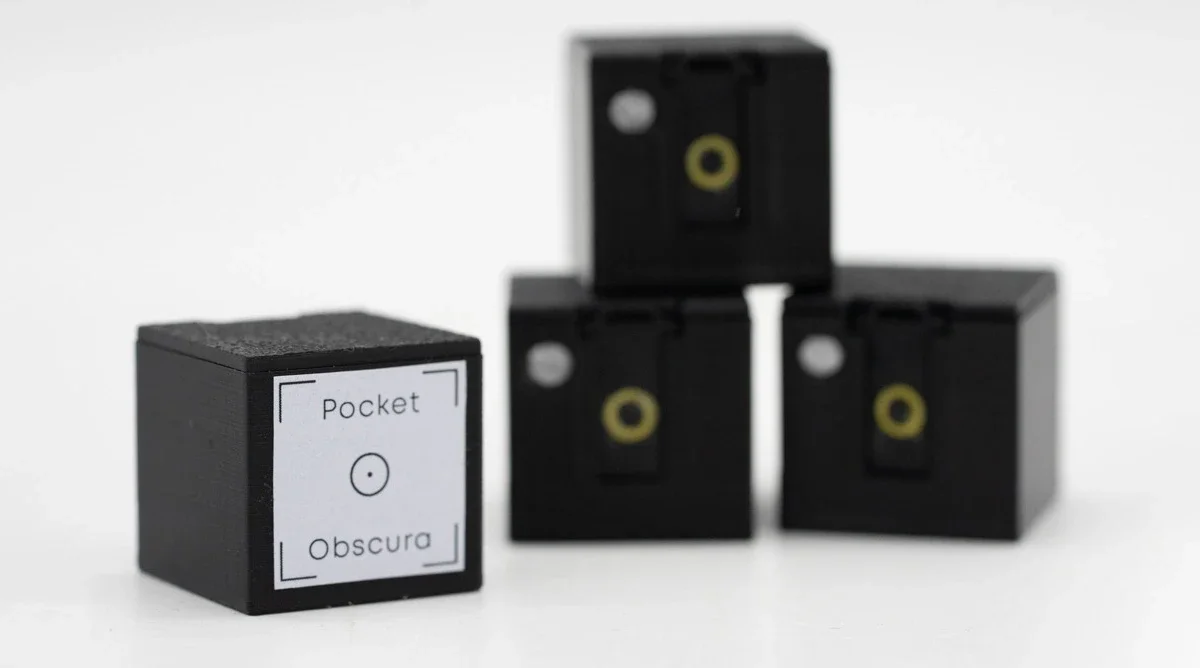
The finished product is called Pocket Obscura. It measures 2.48 x 2.41 x 2.48 cm (about the size of a US quarter), and the negatives it produces are only as large as a postage stamp.
The camera has no glass lens; instead it uses a pinhole and has a manual shutter. You have to pull the shutter up by hand to let light in, then manually lower the shutter to end the exposure.
Describing the shooting process to New Atlas, Fazelas explained that the pinhole aperture is so small that very little light enters the camera, so exposure times need to be relatively long, and the camera works best in bright outdoor conditions. It is also best suited to still subjects, because any movement during the exposure causes blurring or even makes the subject disappear entirely. It has no focusing mechanism, zoom, or viewfinder, so composition is more experimental—though he has some tools and aids that help him get the framing as close as possible to what he wants.
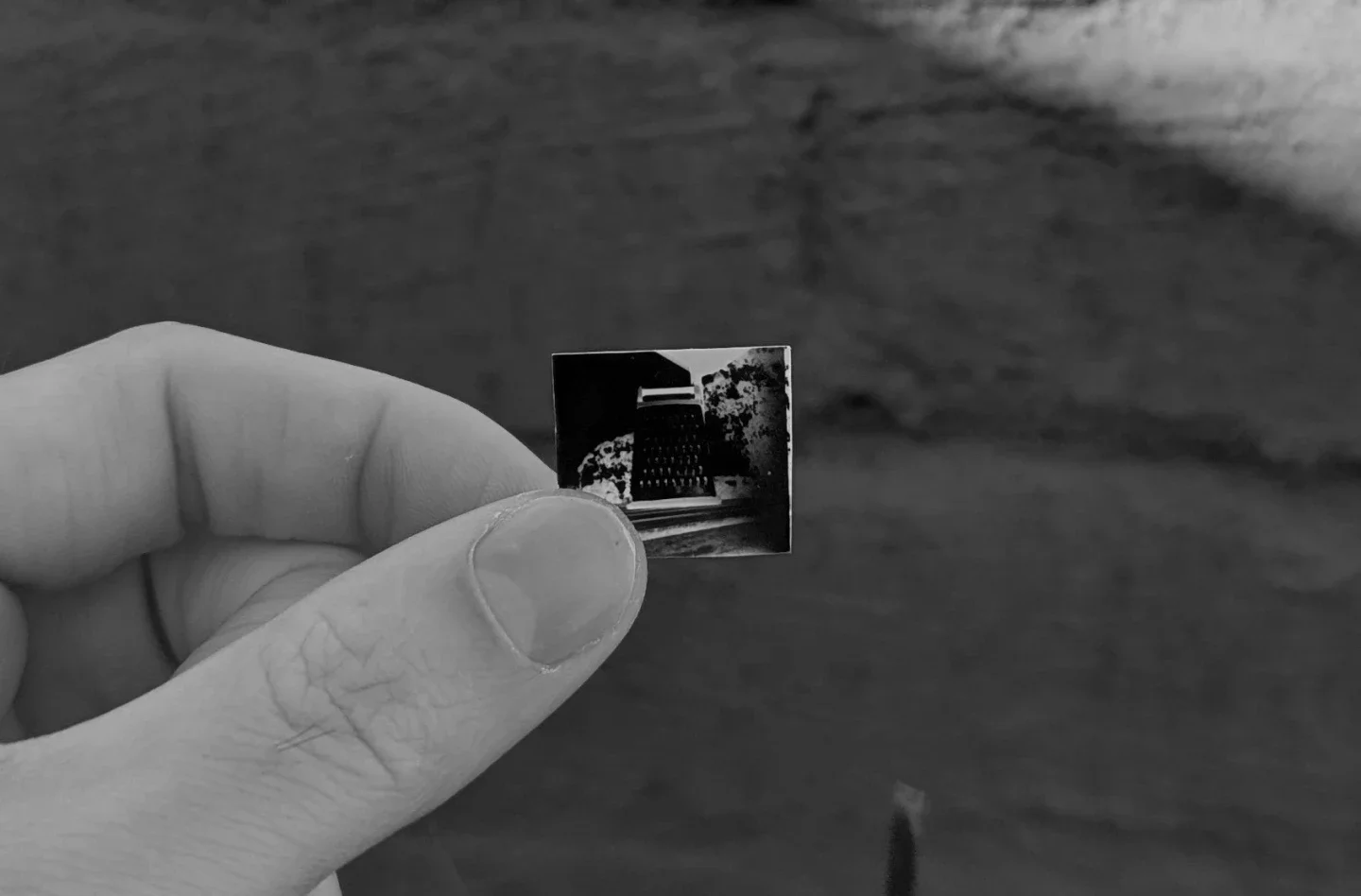
To be precise, Fazelas does not use conventional film. He told New Atlas that he uses photographic paper, cut to a size that fits inside the camera, and that each piece must be prepared and loaded individually under a red safelight, because the paper is sensitive to all light except red.
The photographic paper acts as the negative: when light enters through the pinhole, it records the image. After the exposure, he takes it out and develops it using a traditional darkroom process. It is a fairly hands-on approach, especially given the tiny size.
After that, he scans the negative and digitally inverts it to get a positive image. This way he can see the final photograph while preserving the unique characteristics of the original analog image.
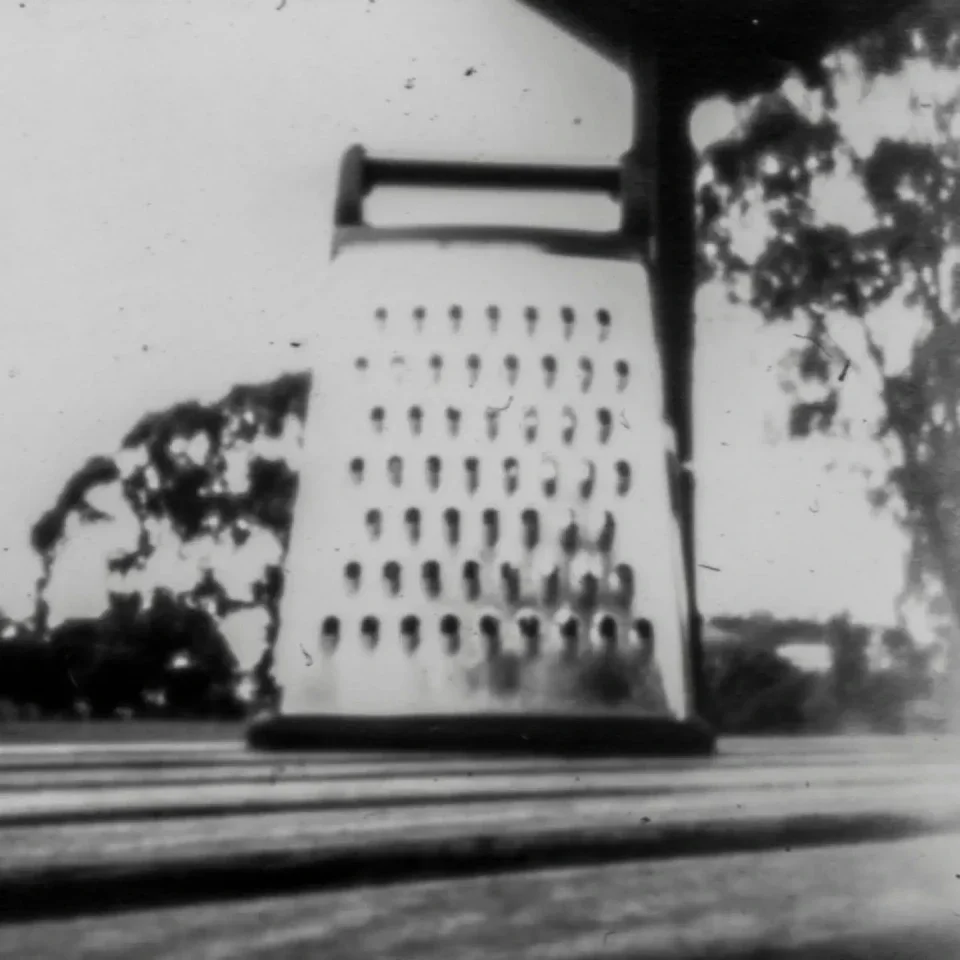
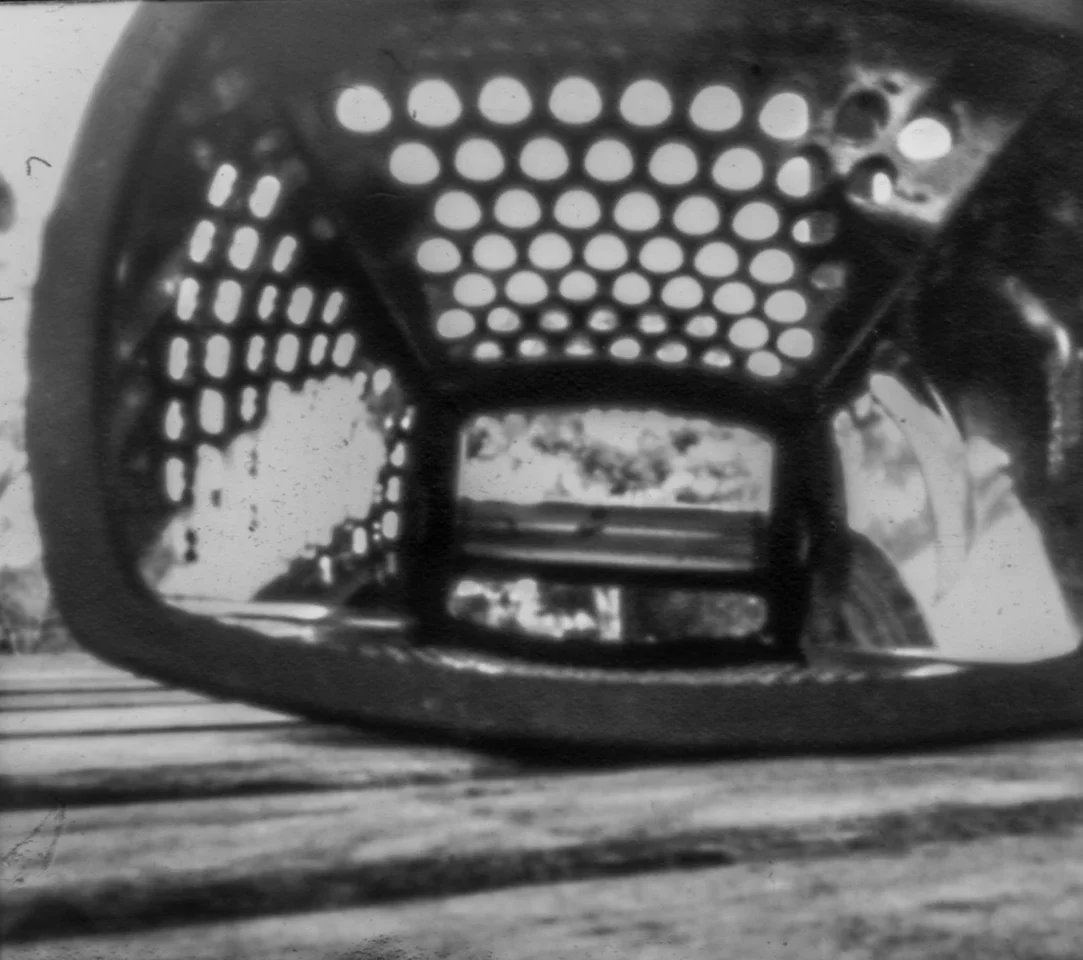
Judging from the sample images seen so far, Pocket Obscura's pictures are soft and dreamy, with a distinctive look that ordinary film cameras usually cannot produce. Fazelas also emphasized the unpredictability of the final image, saying that this is one of the charms of pinhole photography: you give up some control and accept the result it gives you.
Pocket Obscura earned Fazelas a Guinness World Record—"world's smallest film camera." When he checked the database, he found that no one had previously established this record, so he contacted Guinness, obtained a reference size to compare against, and then worked toward that target.
Fazelas said the hardest part was actually spending three weeks formally recording and certifying the camera's exact dimensions with the help of a qualified metrologist.
And the most appealing thing about Pocket Obscura is that you can actually buy one for your own shooting projects. Fazelas has listed it on his website for $45, though the next batch will not be available to order until December.
You can find Pocket Obscura and his photography on his website.


Comments
0 comments