1970 Mercedes C 111-II Experimental Supercar to Be Auctioned
Mercedes' 1970 C 111-II experimental supercar will be auctioned in Paris, retaining its four-rotor Wankel engine.
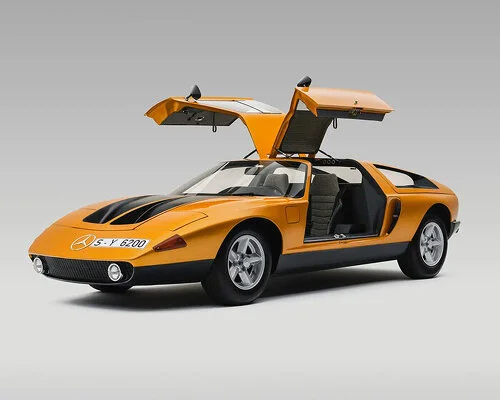
Mercedes will auction a 1970 C 111-II experimental supercar in Paris on February 3, 2027, marking the first time a C 111-series prototype has been offered for public sale. The auction will be handled by RM Sotheby's, and the orange wedge-shaped coupe carries an estimated price above €25 million.
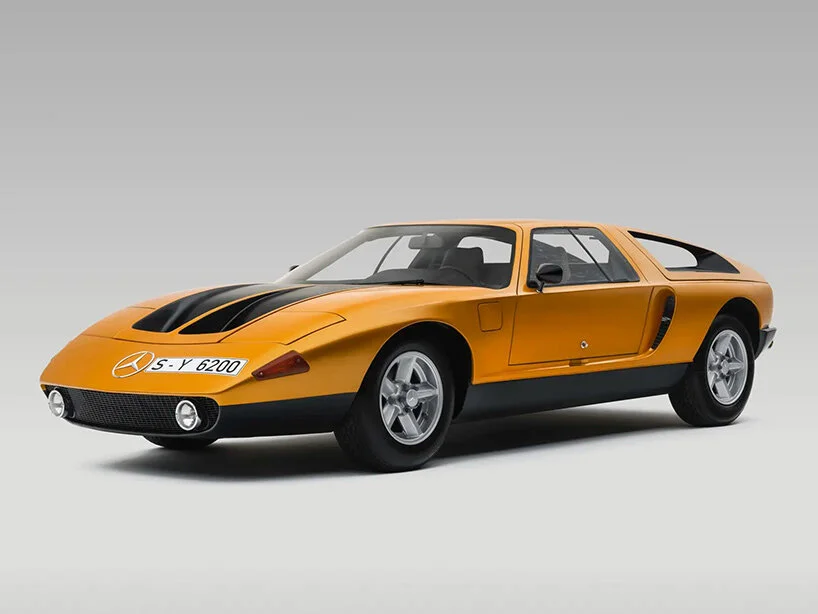
The supercar has a fiberglass body painted in metallic orange Weißherbst. Image courtesy of RM Sotheby's
A radical orange gullwing that never reached production
When the C 111 first appeared in 1969, it was said that quite a few potential buyers sent blank checks to Mercedes hoping to order one. But Mercedes kept these cars within its experimental program, and a production version never arrived. Only 17 C 111 prototypes were built across all generations, and 13 survive today. The car up for auction is internally designated Car 33 and still retains its original four-rotor Wankel engine.
The C 111-II debuted at the 1970 Geneva Motor Show, just six months after the first prototype appeared in Frankfurt. Its low, sloping nose, broad rear shoulders and gullwing doors made the two-seat sports car a stark contrast to Mercedes' production cars of the time.
The original styling was done by Peter Pfeiffer and Joseph Gallitzendörfer under Bruno Sacco's styling project management. The team used an early computer program called ESEM to calculate structural loads, accelerating chassis development by roughly six months.
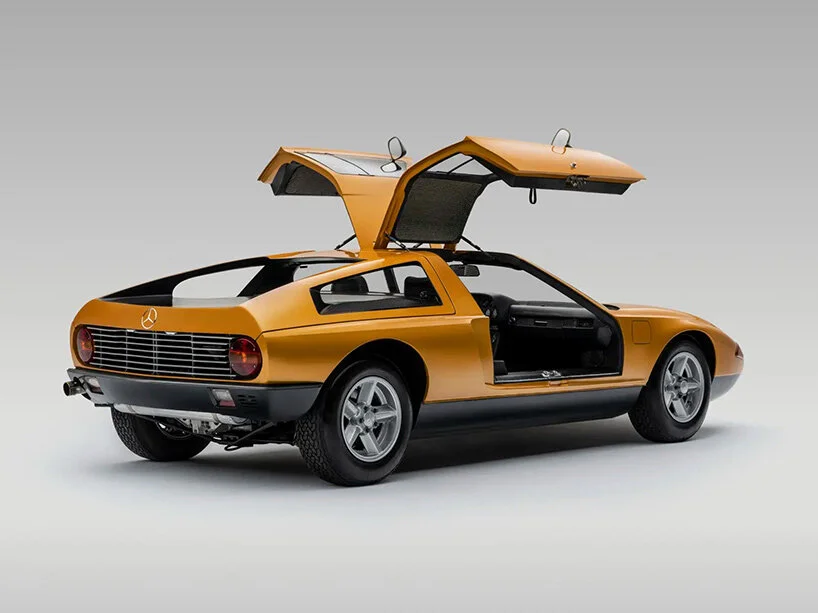
The gullwing doors evoke the classic 1950s Mercedes 300 SL
Fiberglass body and 1970s interior
The body is made of glass-fiber-reinforced plastic, and the surface paint is a metallic orange called Weißherbst, named after a German rosé wine. The C 111-II stands only 1.12 meters tall, with proportions close to a race car, while the interior is fully upholstered in gray-white houndstooth fabric.
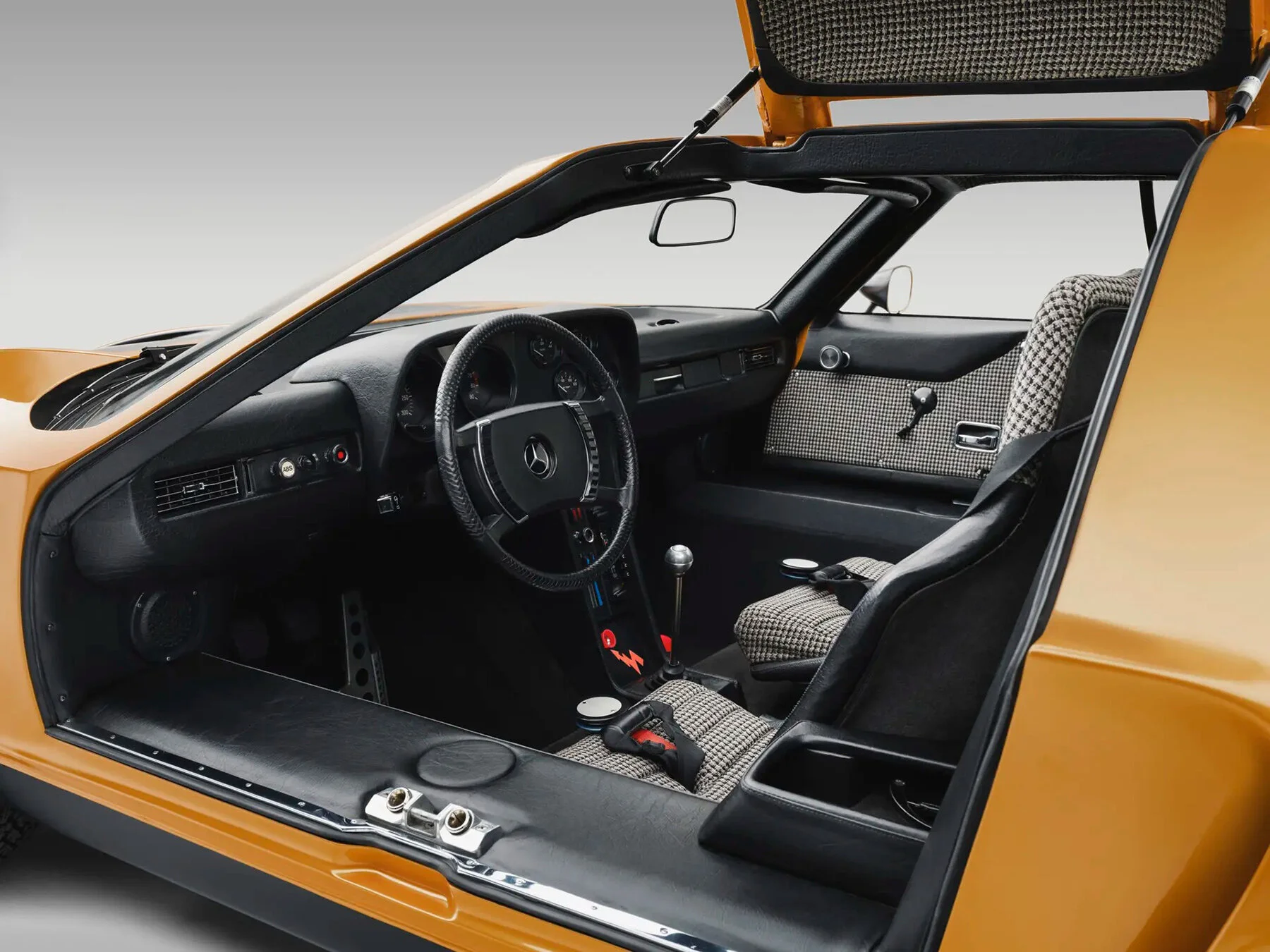
The houndstooth seats give the two-seat cockpit a distinct 1970s character
Four-rotor Wankel engine and performance
Behind the cockpit, Mercedes did not use a conventional piston engine but installed a 2.4-liter four-rotor Wankel engine. This experimental power unit produced 350 horsepower at 7700 rpm and was paired with a five-speed manual transmission. The car weighed about 1240 kilograms, accelerated from 0 to 100 km/h in 4.8 seconds and reached a top speed of 300 km/h, making it one of the fastest sports cars of the early 1970s.
However, due to the challenges of fuel consumption and emissions requirements, Mercedes ultimately abandoned the rotary engine. The production plan ended in 1971, but the C 111 project continued afterward in forms such as diesel-powered experimental vehicles.
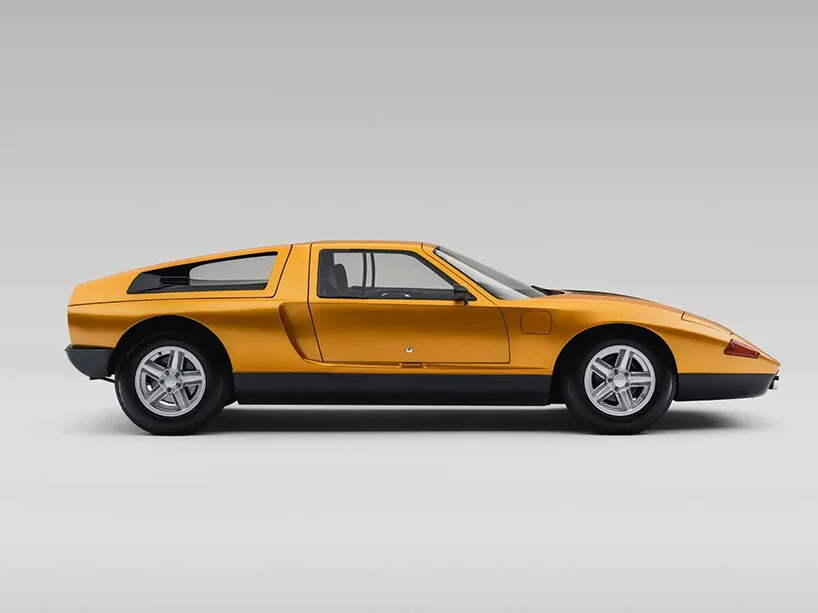
This experimental supercar stands only 1.12 meters tall
From Hockenheim to the auction block
Car 33 joined Mercedes' experimental fleet in August 1970 and underwent high-speed testing at the Hockenheim circuit the following year. The project also included some stranger experiments, such as development chief Rudolf Uhlenhaut reportedly putting butter in the luggage compartment to see whether it would melt while driving.
After decades in the company collection, Car 33 became a permanent exhibit at the Mercedes Museum in Stuttgart in 2006. In 2024, Mercedes' classic car department returned the prototype to running condition, refurbishing the original powertrain while preserving the exterior paint and the interior's signs of age. It then appeared at Pebble Beach in California.
The car is now heading to RM Sotheby's Paris auction with an odometer reading of 24,766 kilometers. The proceeds will go toward the Mercedes Museum 2.0 project, and the company has committed to keeping the remaining C 111 prototypes for at least another 25 years.
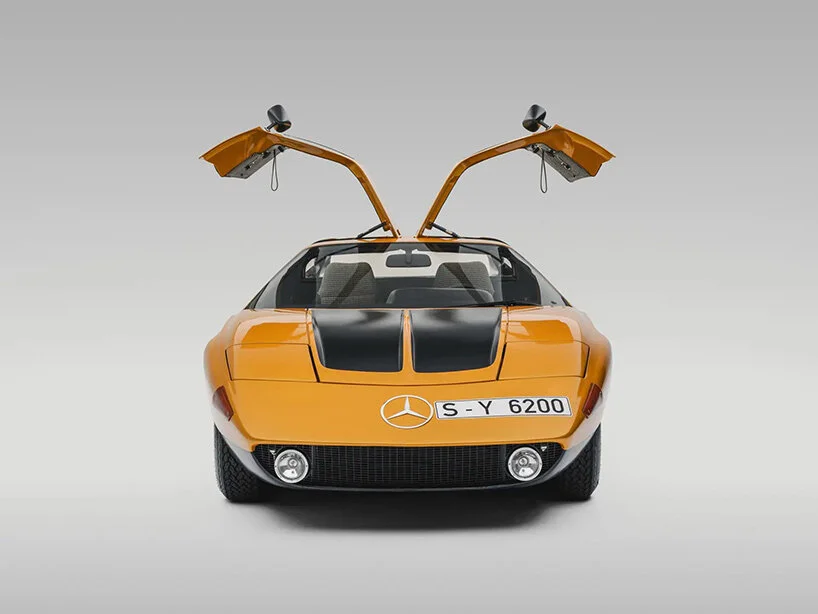
Mercedes introduced the C 111-II at the 1970 Geneva Motor Show
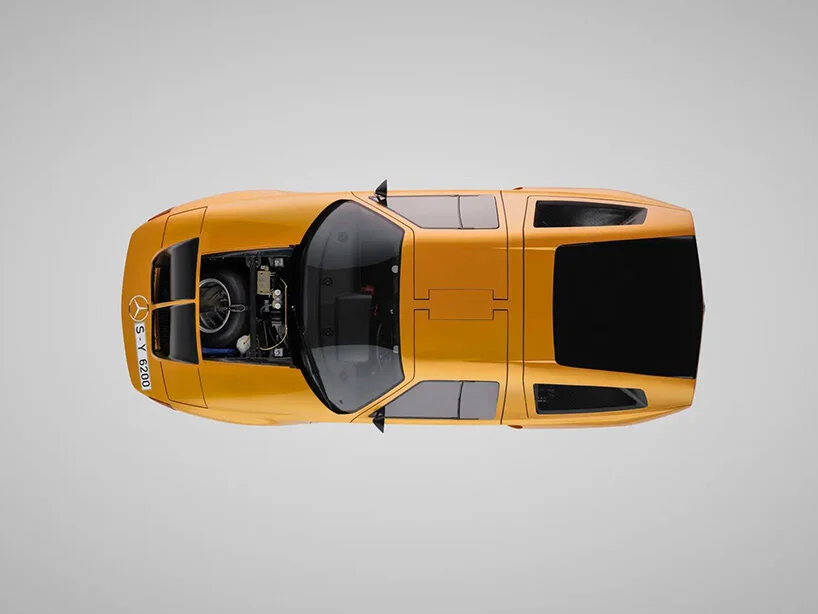
This wedge-shaped sports car was part of Mercedes' experimental vehicle program
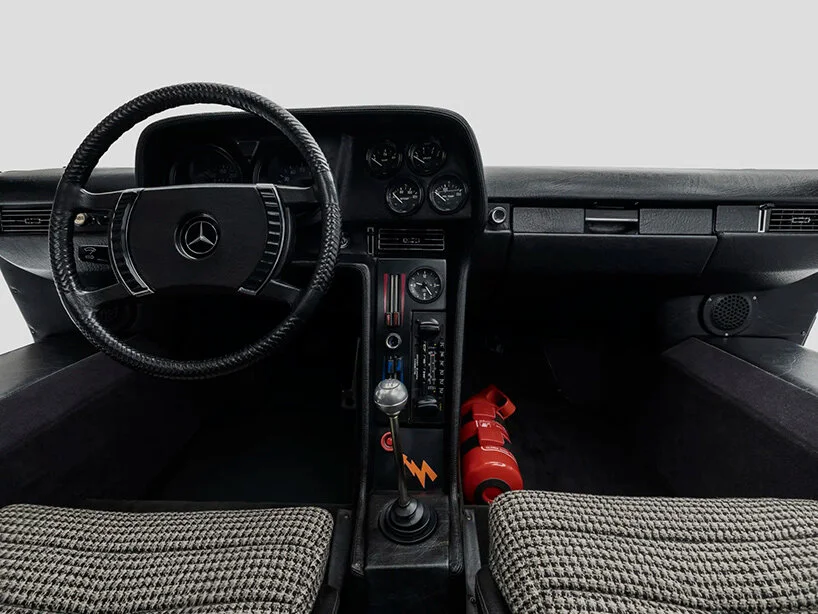
The cockpit features a five-speed manual transmission, and the speedometer is marked to 300 km/h
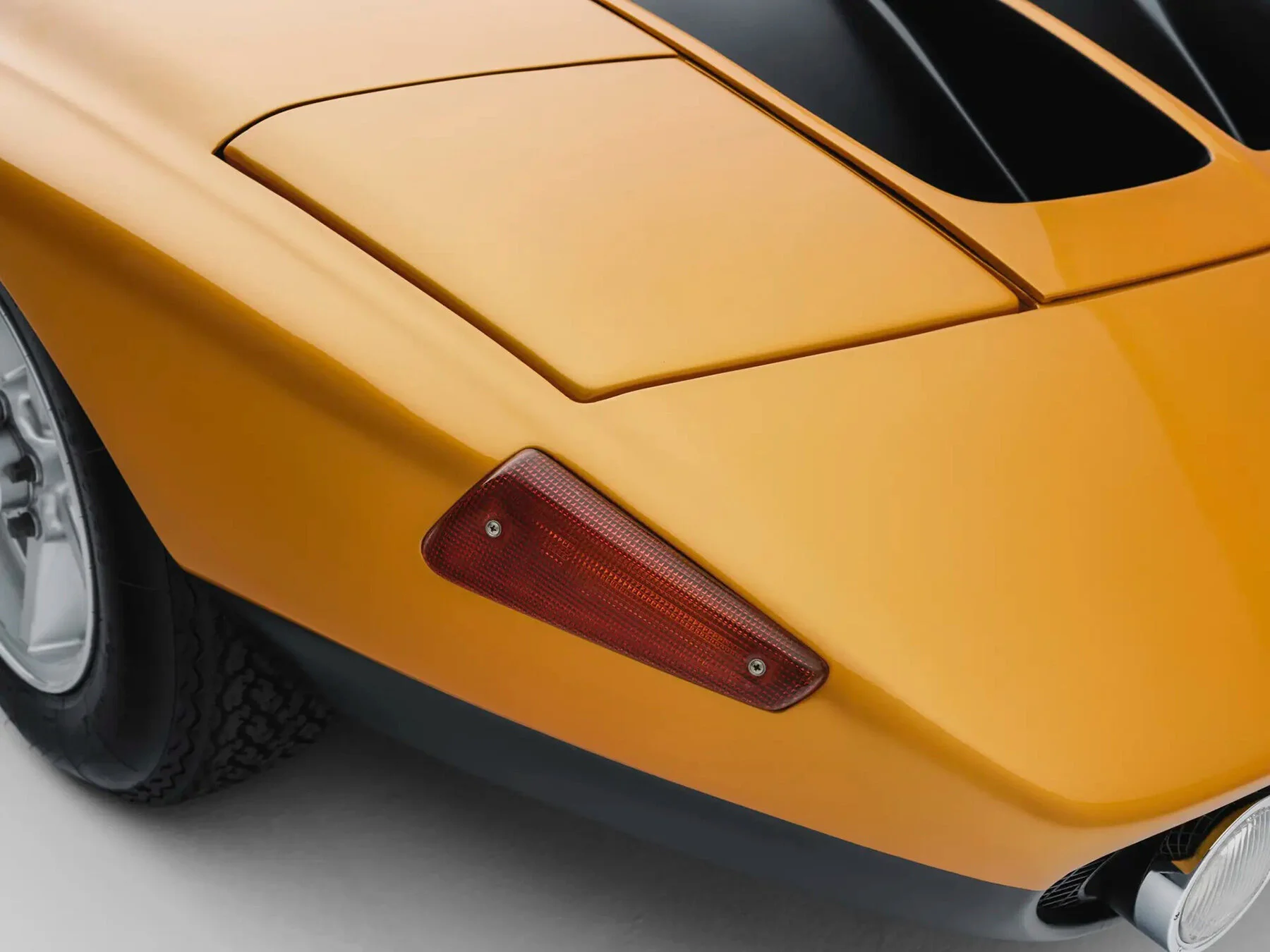
The C 111-II's fiberglass body was shaped for high-speed aerodynamics


Comments
0 comments