Apple Opens Vision Pro Immersive Live Pipeline
Apple details the tools it built with Blackmagic and Strada for producing immersive live video.
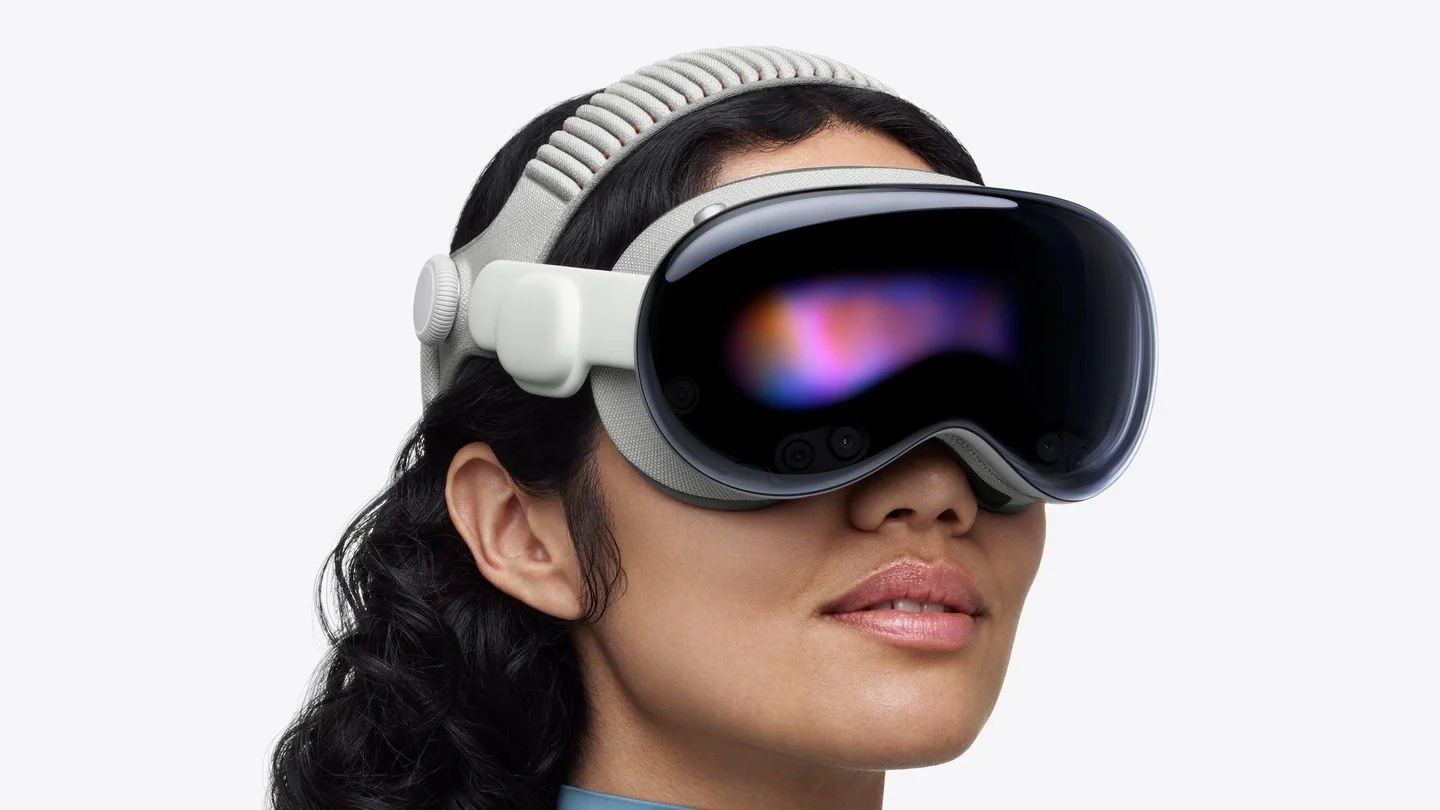
Apple is turning immersive live video on Vision Pro from its own in-house productions into an open workflow that third parties can plug into. The company detailed the real-time production pipeline behind its courtside Lakers broadcasts, opening the format, transport method and preview tools to camera, mixer and app developers. The news came from a Meet with Apple event held this month at the Apple Developer Center and streamed online, where immersive and spatial formats for entertainment, marketing, enterprise and live events were also demonstrated.
A live broadcast is made of three streams
Apple defined the Apple Immersive Live Video format for live video, built around three parts: streamed ProRes frames, uncompressed PCM audio, and a JSON metadata object carried alongside each frame. Each travels as its own SMPTE ST 2110 stream, the IP standard broadcasters already use. The format's picture resolution reaches 32 times that of typical 2D broadcast at twice the frame rate, and much traditional broadcast gear was not designed for that data volume.
Direct ProRes recording, no quality loss on replay
Recording follows the same rules, and replay operators are the first to benefit. Because the input is already ProRes, the live stream can be recorded straight to a MOV file with no extra encoding and no generational loss; on replay it goes back into the live chain as-is, so instant replays are as sharp as the live picture.
What visionOS 27 adds for directors and editors
Most of the new tools sit in the Immersive Media Support framework, the layer that reads and writes the format's metadata. In visionOS 27, Apple added camera presentation commands, letting directors override default camera configurations during complex live productions rather than being locked into boot-time settings from start to finish.
Real-time preview sends Apple Immersive Video from a Mac directly to Vision Pro, so editors or live crews see what the audience will see without exporting a file first. A custom compositor pipeline lets productions insert their own rendering stages. Beneath the live layer is the recording format: shot at 90 frames per second, more than 50 megapixels per eye, targeting 60 pixels per degree, which Apple equates with 20/20 vision; field of view targets up to 230 degrees, and Vision Pro reprojects every pixel as originally shot.
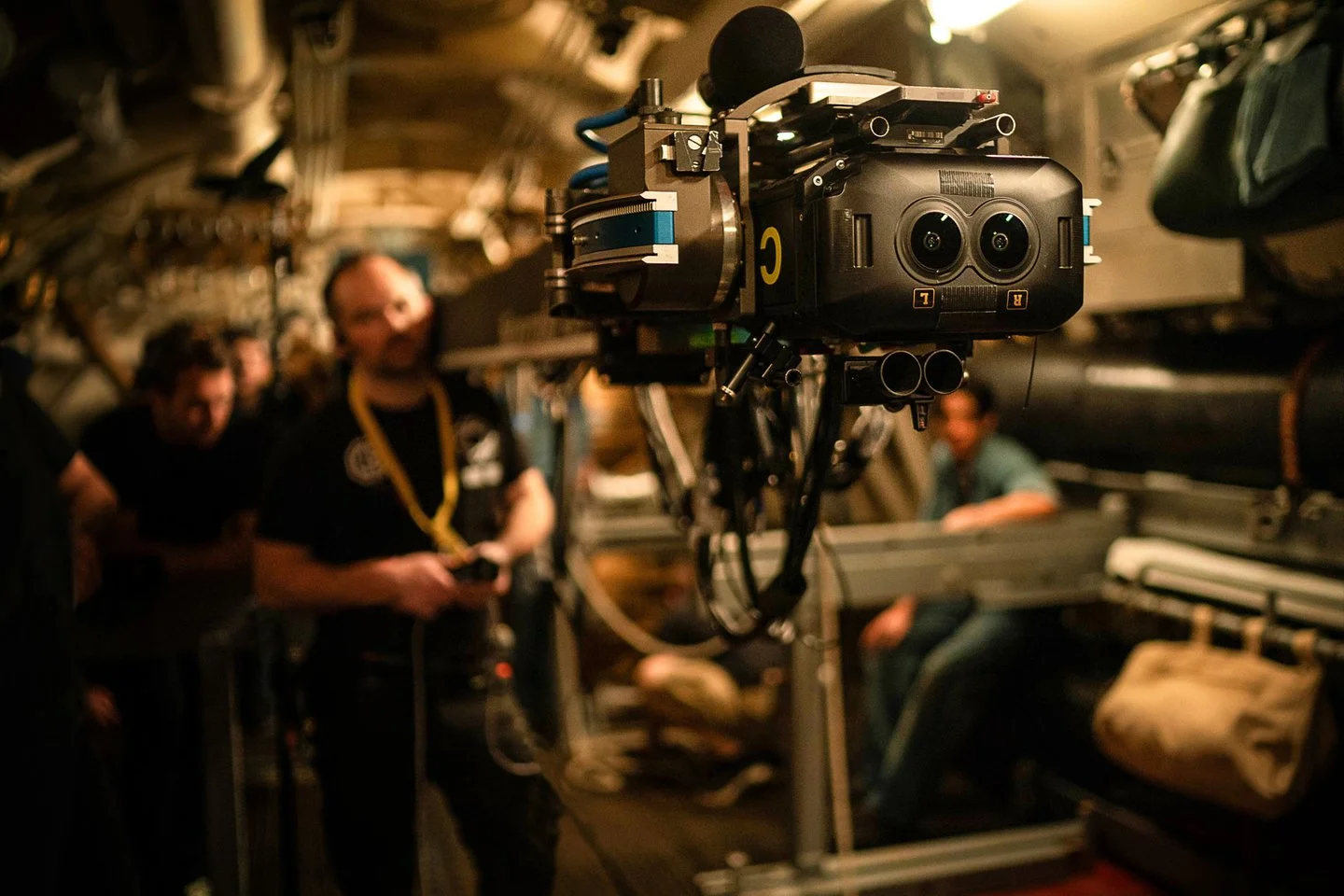
A single file carries picture, lens calibration, graphics, spatial audio and motion metadata, so post-production can skip transcoding and manual projection fixes. Lens calibration, 3D sync and world scale are handled automatically in editing and finishing. Shooting starts with certified cameras that embed lens calibration and metadata at the capture point.
Sound is packaged to the same standard
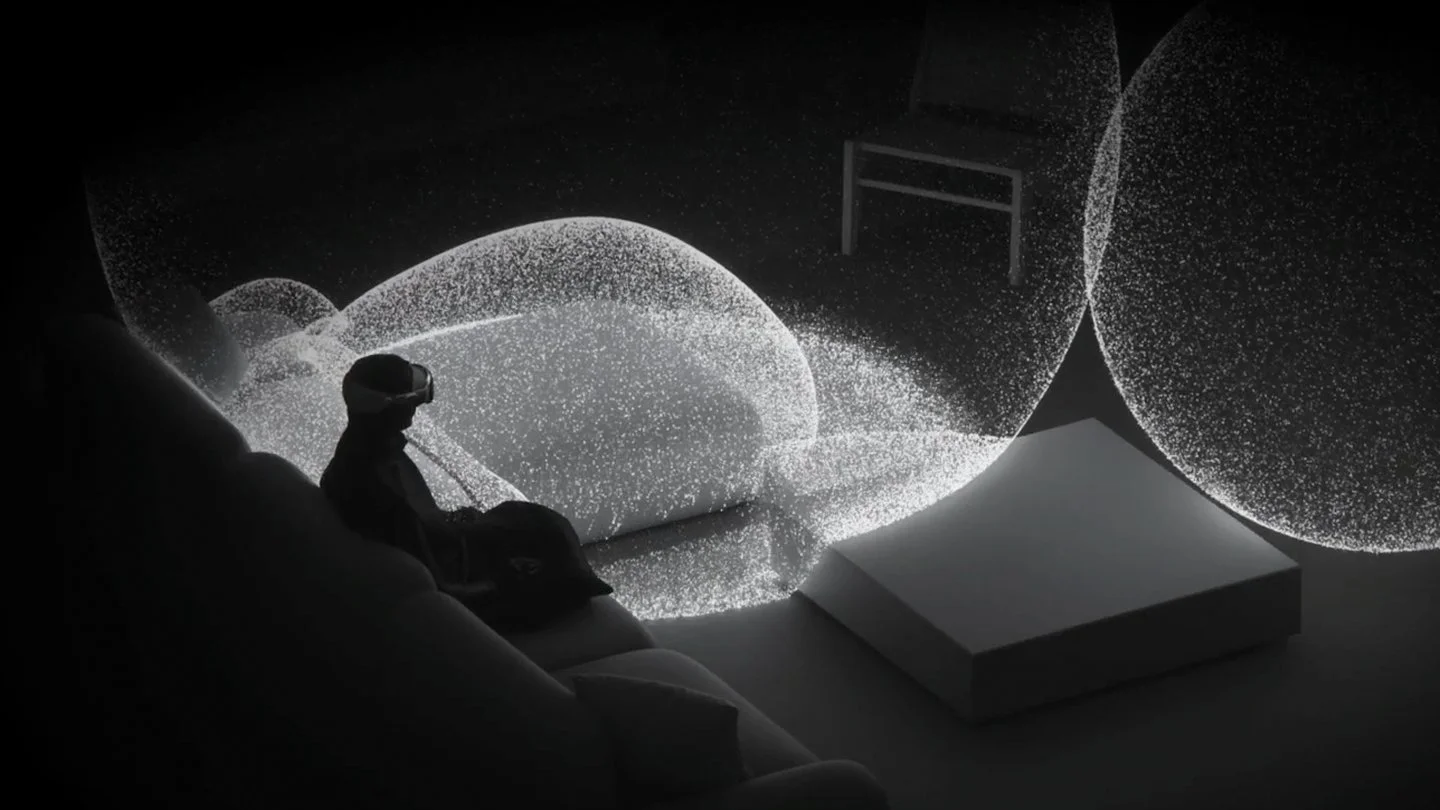
Higher-order Ambisonics microphones capture the spatial sound field from the camera position and match it to the lens; that recording becomes the basis of the mix, while conventional production audio is recorded at the same time. Sound follows the same logic as picture: Apple's Spatial Audio Format puts object-based, channel-based and higher-order Ambisonics audio into one container, and the dedicated APAC codec compresses high channel counts to bitrates streaming can carry. A single ASAF mix can hold 64 or more channels, far beyond 5.1 surround.
The Spatial Preview framework on macOS keeps the Mac in the loop, pushing spatial photos, Apple Immersive Video and 3D content from Mac apps to Vision Pro, with live USD editing and collaboration via SharePlay.
Microphones and apps built for this workflow
Blackmagic Ambisonic Microphone: a spherical array of 108 MEMS
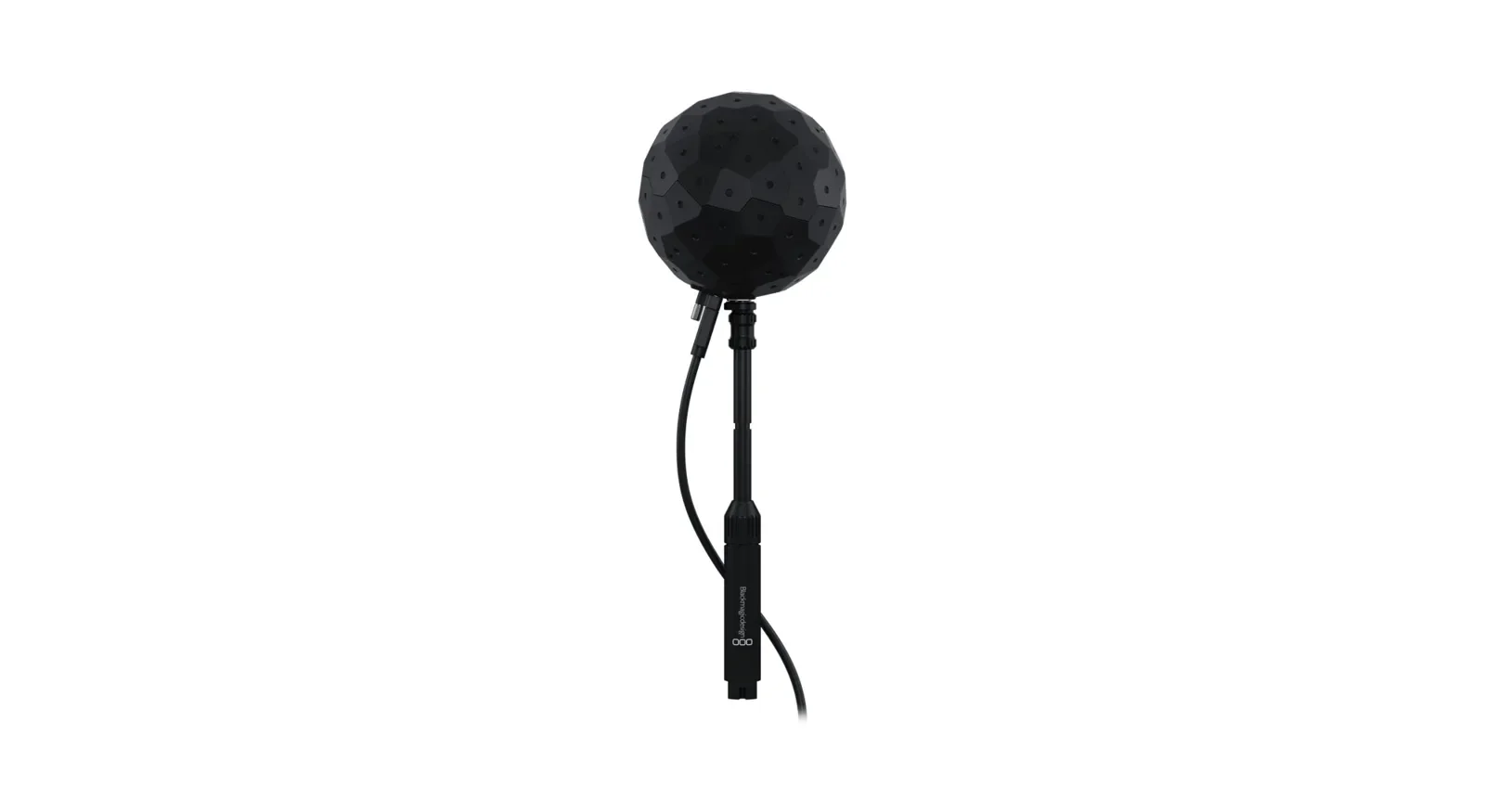
Blackmagic Design's Ambisonic Microphone packs 108 digital MEMS microphones into a palm-sized multi-faceted aluminum sphere. The spatial encoder lives inside the sphere, so no breakout box or encoding software is needed downstream.
Blackmagic CEO Grant Petty said Apple licensed its microphone array geometry and Ambisonics encoding filters to Blackmagic. That means the conversion from 108 pickup elements to 64-channel 32-bit audio runs in real time inside the microphone using Apple's algorithms.
A single USB-C cable carries both audio and power. Mounted on the URSA Cine Immersive, the microphone can record spatial audio directly into the camera's immersive files, synced with picture; it can also feed Fairlight Live on a computer for real-time mixing, or connect to an iPhone via the Blackmagic Camera app. It is priced at $1,909 (including mount), or $2,405 for the kit, shipping December 2026; the kit adds a windscreen and a locking USB-C cable.
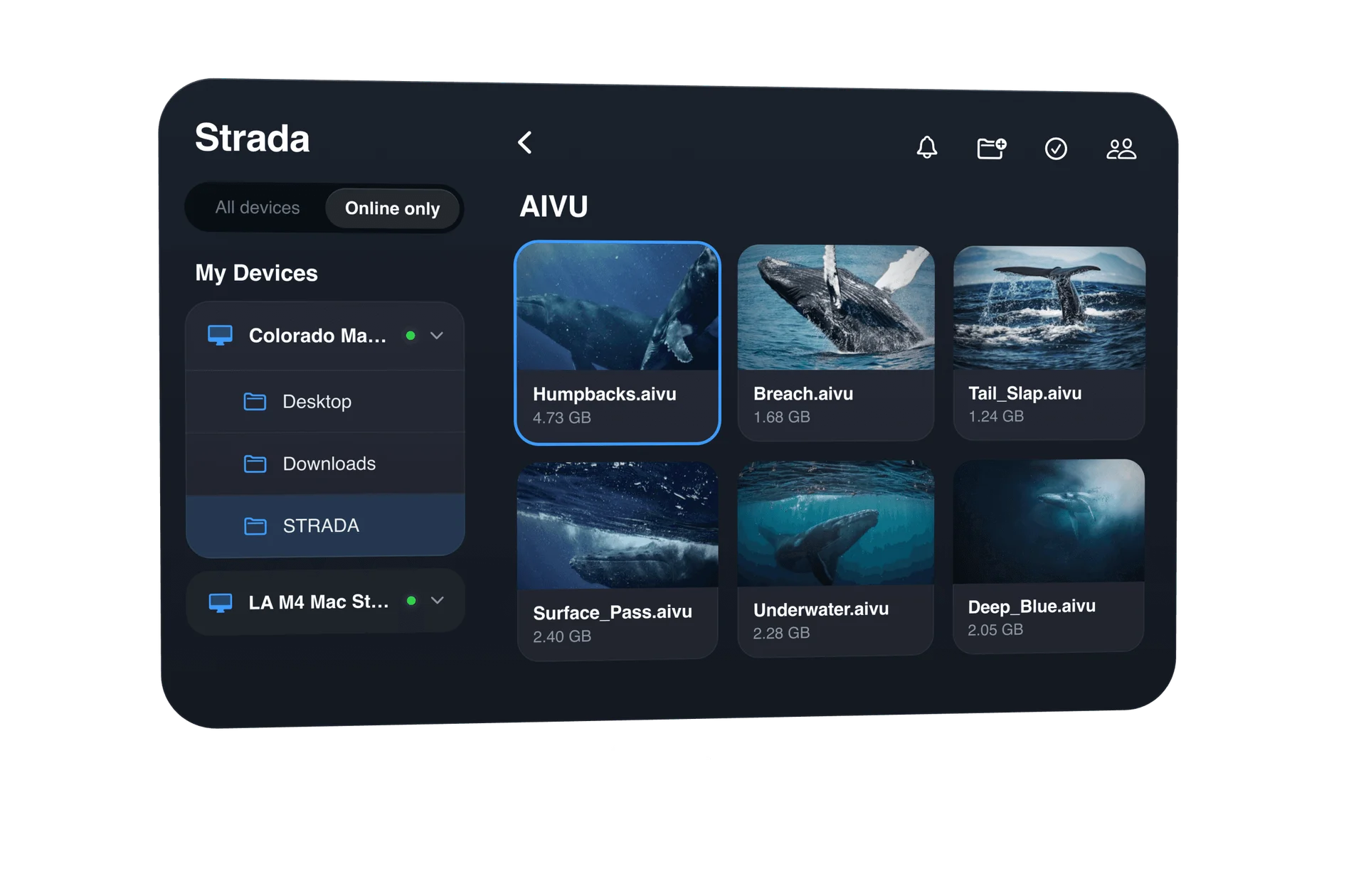
Strada: keep footage on the Mac, review right in the headset
Strada tackles the file-flow problem. Its Vision Pro app can stream Apple Immersive Video directly from a folder on a Mac, so collaborators anywhere can open the day's footage without uploading to the cloud or adding an HLS playlist layer in between.
A free tier for file review is offered, and the Vision Pro app is live on the App Store. Review happens inside the lens: collaborators watch in the headset and pin timestamped comments to specific frames. Point Strada at a Blackmagic RAW folder on a remote Mac and it generates AIVU files there, so a director can watch the remote team's dailies in the headset the same day.
Shure MV360: a lighter entry point
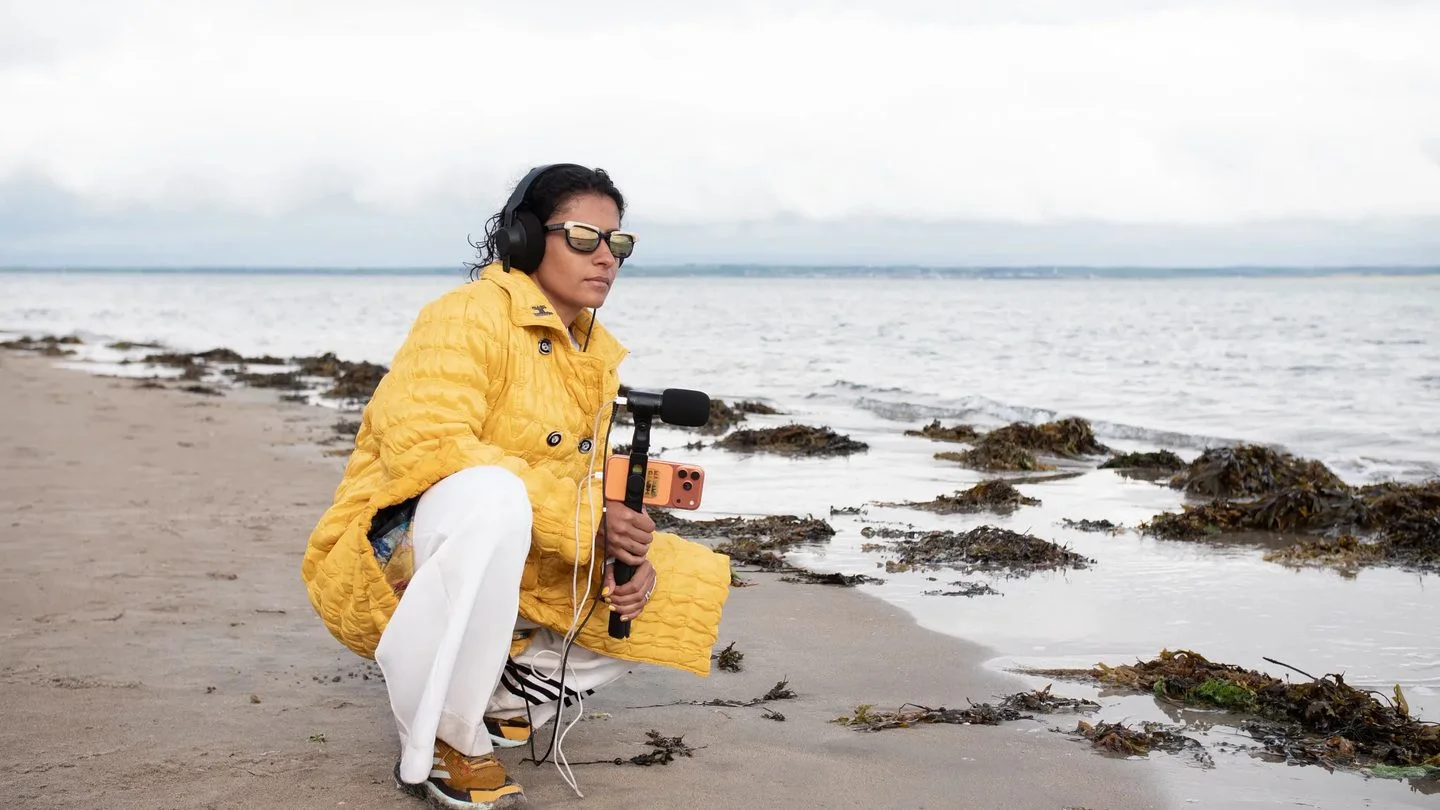
Shure's MV360 is the cheaper entry point and is already on sale. The USB-C microphone records 360-degree spatial audio straight into a phone or computer. At $349, it is $1,560 less than Blackmagic's spherical array, though it connects to a phone app rather than a URSA Cine Immersive body.
The box already includes a mini tripod, phone clamp, two microphone clips, two USB-C cables, a carry pouch and a foam windscreen, so no accessories are needed before the first recording.
Audiences will see more content
For those not holding a camera, the payoff is more content to watch. Fans can already sit courtside in real time at select Lakers games in Vision Pro via Spectrum SportsNet and the NBA app; spatial audio puts people inside the arena's cheers, and data-driven graphics appear in sync with the game. Apple built the live platform for these games, and distribution has its own toolchain.
Distribution tools supporting Apple Immersive validate metadata, generate .aivu files for playback checks, and prepare encoding for streaming or in-app playback on visionOS; standard packaging is handled by Apple's HLS Tools and AVKit. SpatialGen, Ateme and Colorfront handle encoding and transcoding for the format. With the tools open, the content library has a chance to exceed what any one company can shoot, but the 90 fps, 50-megapixel-per-eye format will keep production crews small in the near term. Apple is still pointing first at live events.



Comments
0 comments